


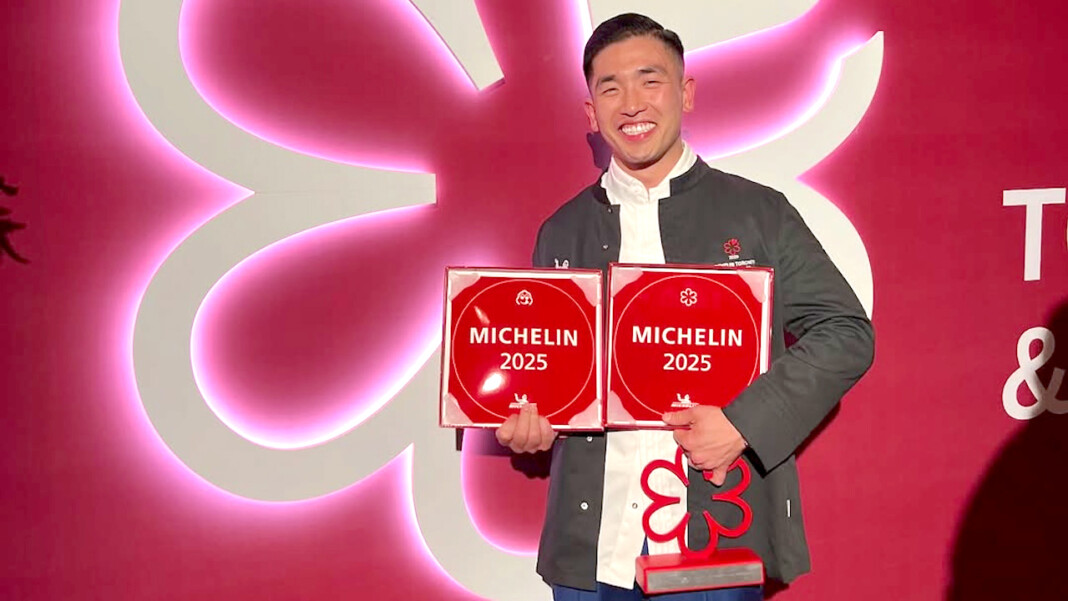

For those of you wondering, or for anyone who thinks a Michelin star doesn’t mean anything to chefs and restaurateurs in this city: think again.
At the Michelin ceremony in Toronto last September, Eric Chong stood on stage as the man of the hour. His newest venture, aKin, was the only restaurant in the city to enter the guide with a coveted star for 2025, and Chong himself was named Toronto’s Young Chef of the Year. But behind the gold-leaf finishes and the celebratory champagne, the 32-year-old chef was staring down a financial cliff.
Opening a high-end tasting menu concept in Toronto is a massive gamble, and for Chong, aKin was the ultimate one. Speaking recently on the Tasting Notes Toronto podcast, the former chemical engineer and MasterChef Canada winner revealed that the stakes were far higher than just personal pride. Without that star, aKin was likely finished.
View this post on Instagram
“If we didn’t get a star, I really think that it would be the end of us,” Chong admitted. The restaurant had been two and a half years in the making, and the burn rate was staggering. Chong noted that if the guide hadn’t come through, he would have needed to find another $500,000 in capital just to keep the doors open for another year. Beyond the money, there was the looming threat of losing a world-class team that had pinned their professional reputations on achieving Michelin status.
The impact of the Michelin recognition was a total 180 for the business. Within 24 hours of the ceremony, 700 reservations flooded the system. By the next day, that number jumped to 1,300. It turned a struggling passion project into one of the most secure bookings in the city practically overnight.
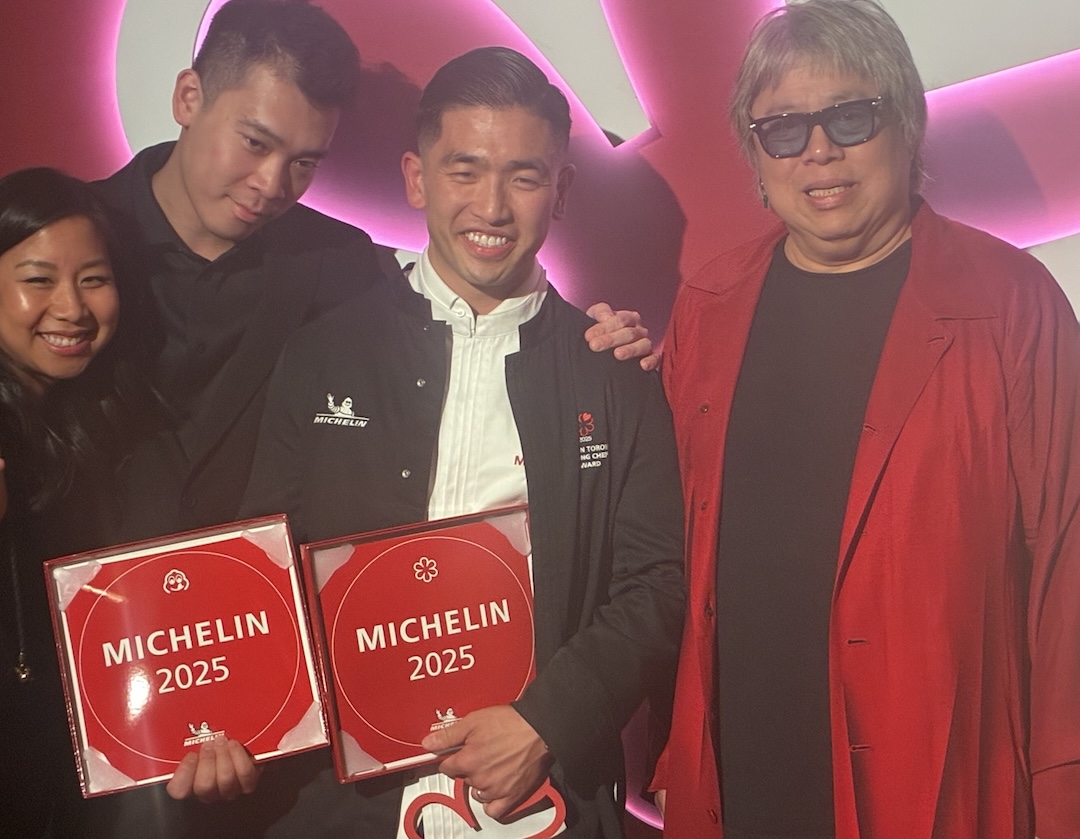
The restaurant, co-owned with his longtime mentor Alvin Leung, aims to show Asian cuisine in a new light in a city that often expects it to be cheap. The menu draws from Southeast Asian street food, with dishes like a refined take on Hainanese chicken rice and Singaporean chili crab. A strict tasting-menu format also allows the kitchen to operate with almost no waste, preparing only what’s needed for each night’s guests.
After years of fighting the “home cook” label, the star proved its weight. In the kitchen, that little red book can mean the difference between thriving and closing.
