
Home Blog Page 18

Stintz on Midtown: Ice pads open later this year, but the costly endeavour may be short-lived

0

Now that it feels a little more like winter people are starting to participate in the activities that make the chilly season.

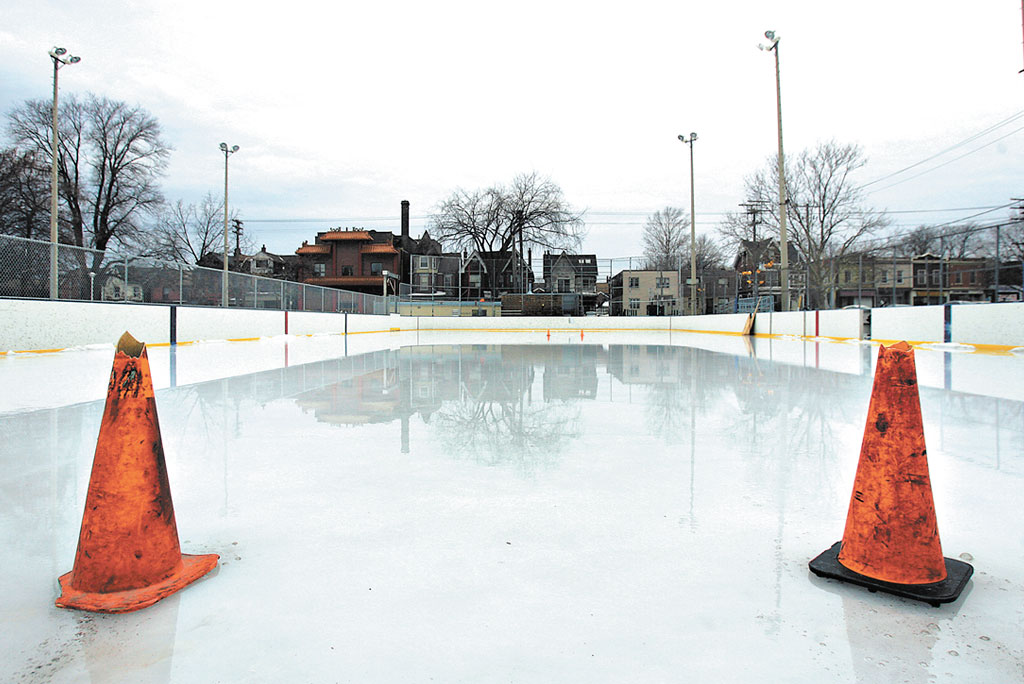
In Midtown, there are many rinks, both indoor and outdoor. Some popular ones are Otter Creek, Ledbury and the outdoor rink at Eglinton Park. There are times for free public skate on the weekends as well as time for more organized games of shinny. The outdoor rinks are a fabulous resource for families looking for something to do that is inexpensive, easy to get to and gets kids some exercise.

One of the frustrations about the rinks is the time is takes to clear the ice after a major snowfall. Parents and kids get excited about getting outside and are often disappointed that the Zambonis aren’t out in full force. Call 311 before heading out to make sure the rink is open.

The other frustration about the rinks is the duration of the season. When the rinks close in February, there is always a hue and cry to keep them open until after March break. For the past several years, corporations have donated hundreds of thousands of dollars to keep the more popular rinks open until the third week of March. Usually the major outdoor rinks that stay open are at City Hall, the civic centres and Harbourfront Centre.

This year, city council voted to keep all the rinks operational until March 20, weather permitting.

This is one decision I hope the city revisits next year.

I understand the outcry. In reality it is costly and difficult to keep the rinks open that long. Also, although people think kids will skate over March break, the ice quality is usually so poor kids opt to do other things.

The reason it is so hard to keep the ice in good quality is because good ice does not rely on the temperature alone.

In December, when the temperatures fall and the days are short, it is much easier to keep ice in good condition. In March, even when the temperatures hover around zero degrees, it is more difficult to keep the outdoor rinks operational as days are longer.

It is difficult and expensive to keep compressors going to prevent the ice from becoming a slushy mess. The hydro costs for the additional three weeks for one community rink are $10,397, an additional 14 per cent not to mention staffing costs.

It makes sense to keep a few of the larger rinks open but not all the rinks. Once the bills start to roll in and the city learns how many skaters use the rinks in March, they might change their tune.

Enjoy the rinks but be sure to call ahead in March. Despite council’s best intentions, the weather may not co-operate.
Adventures in Tokyo

0

Contrary to what you may believe, it is perfectly ok to have fish and beer for breakfast. Not one of those it’s-taken-me-so-darn-long-to-get-out-of-bed-might-as-well-skip-to-lunch breakfasts either. I’m talking it’s 9 am, I’ll have a cold and frosty one with a side of mackerel. Trust me.

I learned this fun fact on my latest epic travels. I was looking to go somewhere completely outside the box that everyone around me seemed to be traveling within. Asia fit the bill perfectly.

My adventure began in the world’s most sprawling city, Tokyo. Homebase was the Four Seasons Tokyo at Marunouchi, paradoxically the most intimate property in the chain. The hotel is beautifully appointed, only 57 guest rooms yet fully equipped with spa and 24 hour fitness studio (particularly convenient when you're nursing a 12 hour time change),  plus a newly opened French restaurant; Motif. Perhaps it's most important attribute, however, is as they say: location, location, location. I was literally steps away from the Bullet Trains, as well as the most extensive subway network I have ever seen, not to mention some of the best shopping in the world in nearby tony Ginza.

Tokyo has been dubbed the world’s best food city. It is home to 226 Michelin-starred restaurants, more than twice that of Paris, which is next on the list. As with any world class culinary centre, the dining options are varied and truly international. That said, I did not travel over 10 000 kilometres to Japan to sample the finest foie gras in Asia. The goal was all Japanese, all the time, and that led me to my first breakfast in Tokyo at the Tsukiji Fish Market. 

The Tsukiji Market is the largest wholesale fish and seafood market in the world. From approximately 5:00-7:00 AM fish are auctioned to wholesalers, retailers and restaurants. Shortly after the market closes, the restaurants of the “outer market” open for breakfast. That is where I learned the true meaning of “Breakfast of Champions”. Tsukiji Sushisay has been serving up sushi since 1889. After lining up for approximately forty five minutes, the restaurant opened at precisely 8:30 AM and I was fortunate enough to score a seat at the small sushi bar downstairs. I was handed what would be the first of many menus with photos only (locals receive a regular menu in Japanese), and then the fun began. A glass of beer appeared and as I pointed repeatedly to my menu and sometimes to the plates of others, a steady stream of the freshest , most incredible sushi and sashimi I have ever tasted began to appear. I was, pardon the pun, hooked.

And so began a week long food tour. I had udon for breakfast in the basement of the train station, lined up for ramen at Ippudo, Marounouchi’s most popular noodle soup spot, ate Michelin star sushi (twice!) at Sushiko and enjoyed a seven course kaiseki dinner at Ginza Maru. I ordered omakase whenever possible and put my meal in the hands of the chef. This of course resulted in having no idea what I was eating much of the time. I didn’t care. Everything was exceptional.

To fill the time between meals, I explored the many neighbourhoods of the city: I played Pachinko, the Japanese slot machines, in Akihabara, the colourful electronics and anime district. I shopped the multilevel department stores of Shibuya, home of the busiest pedestrian crossing on the globe. I walked along the crowded Takeshita Dori in Harajuku, Japan’s centre of street fashion and focal point of Tokyo’s youth culture. I scoured the vintage shops in the off-the-beaten-path hipster area, Shimokitazawa and visited temples in Asakusa. 

I was sad to leave Tokyo, but it was time to experience the other side of the coin that is Japan. Precisely 2 hours and 18 minutes away by Shinkansen, the Japanese high-speed railway, is the yin to Tokyo’s yang, Kyoto. Home to over 2000 temples and shrines, plus a still active geisha district, Kyoto is the cultural centre of Japan. I had only a short time to spend there but was determined to make the most of it. 

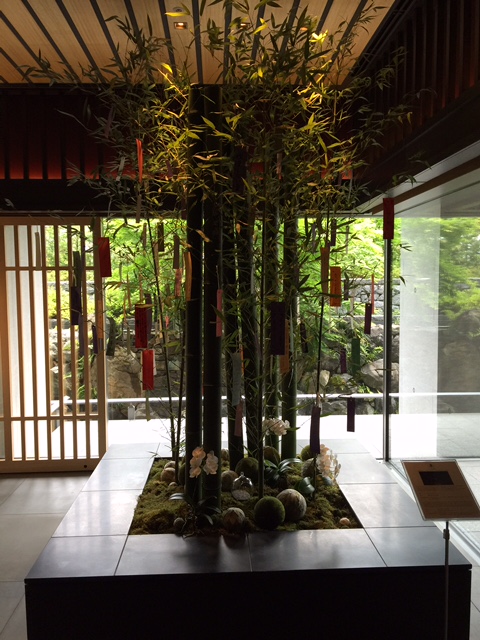
My home in Kyoto was the newly opened Ritz Carlton Hotel.  Designed to be a modern day ryokan, or traditional Japanese inn, I could not have chosen more beautiful surroundings. The property is gorgeous, the decor a modern take on traditional Japanese design aesthetics.  The service was impeccable, the staff friendly, helpful and knowledgeable.

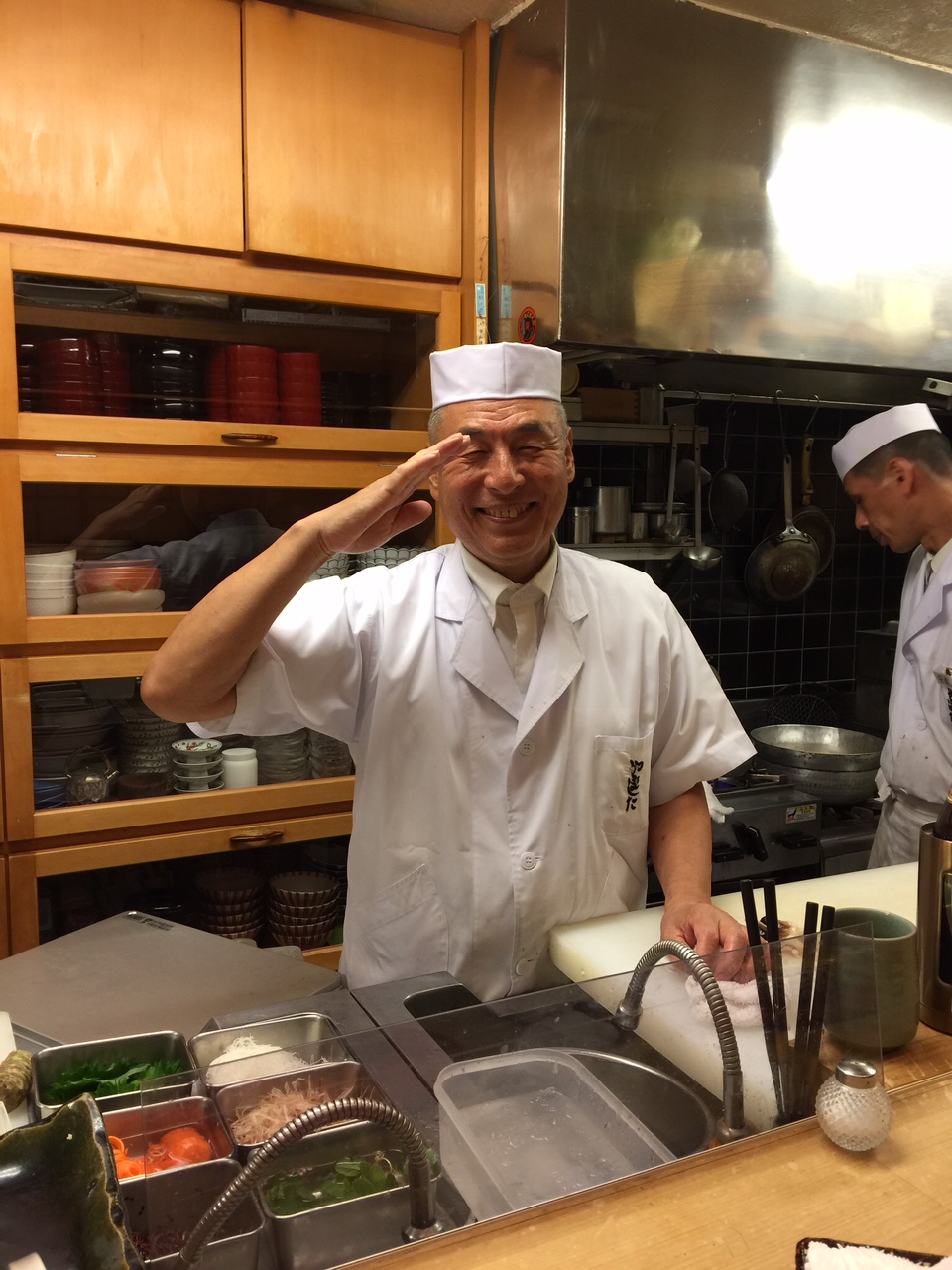
I explored the city by foot, wandering past temple gardens, meandering through the covered outdoor shopping arcades and walking along the river banks. My last dinner in Japan, at my concierge’s recommendation, was at Kappo Yamashita. Housed in a machiya, or townhouse, this casual counter-style restaurant is touted as one of the top seafood restaurants in Kyoto. With good reason. I had the seven course kaiseki and was treated to fresh unagi from the  large aquarium of live eels behind the counter, crab, octopus and even soft-shell turtle. The chef was humorous and engaging, and although he spoke no English, still managed to make sure, with a wagging finger,  that I ate like a local and consumed the tails and the heads of the shrimp he served. I had come a long way from fish and beer for breakfast. 

News Focus: A snapshot of some of the tallest of the tall heading midtown's way

0

1 Eglinton Ave. E.
Hariri Pontarini Architects

Proposed: The applicant is proposing a 68-storey, mixed-use residential building. The condominium would have retail space on the ground floor as well as commercial space and 672 residential units and 26 live/work units. 

Parking: 287 parking spaces. 

What happened: The building owner applied for a zoning amendment, and that application came before Toronto and East York Community Council on Jan. 3, 2015. A community meeting was held May 11, and a preliminary report was issued by city staff on Dec. 18. 

What’s next: The application was scheduled to come before Toronto City Council for final approval during the fourth quarter of 2015 but never made it. Look for a decision in early 2016 if the applicant doesn’t appeal to the OMB.

Talking points: Staff is concerned about replacing the lost office space; although according to a staff report, the developer states it is in compliance because of proposed “live/work units.” This is in addition to concerns regarding a step back of the tower and the overall height.

2263–2285 Yonge St.
Rosario Varacalli

Proposed: This application, which also includes 8–10 Eglinton Ave. E. and 25 and 25R Roehampton Ave. and was submitted on Dec. 14, 2011, features a 58-storey building as well as a 38-storey building with a total of 854 residential units as well as commercial use on the first couple floors. 

Parking: 287 parking spaces are being proposed. 

What happened: The development was approved after the application was revised in consultation with the city and community.

What’s next: The application came before Toronto City Council and was approved on July 16, 2013. Construction is currently underway with an anticipated move-in date of September 2017. Price per square foot is $783, but the condos are currently sold out.

Talking points: The building’s owner has paid $3.25 million, under Section 37 of the Planning Act, to be used by the city for neighbourhood improvements including a new public space on the TTC lands on the southwest corner of Yonge and Eglinton.

55 Eglinton Ave. E
Kirkor Architects

Proposed: A 47-storey, mixed-use building has been proposed for this site on Eglinton Avenue East between Holly Street and Dunfield Avenue. The project would include 455 residential units, a five-storey base and 42-storey tower.  

Parking: 141 parking spaces and 455 bicycle spaces on six levels of underground parking. 

What happened: The preliminary report came before Toronto and East York Community Council on Feb. 18, 2015, and a community meeting was held on April 20. 

What’s next: The application was scheduled to come before Toronto City Council for final approval during the fourth quarter of 2015. 

Talking points: Although the development is more than 23 times current density requirements, the developer’s planning rationale statement indicates the density does meet the objectives of Toronto’s official plan and Yonge-Eglinton Secondary Plan. 

33 Holly St.
Quadrangle Architects

Proposed: This development, which also includes 44 Dunfield Ave. as well as 86 and 88 Soudan Ave., consists of two residential buildings of 24 and 32 storeys as well as five-storey additions to the existing apartment buildings on Holly Street and Dunfield Avenue and a six-storey apartment building at the Soudan address. The total units will be 492 condominium and 46 rental plus 324 existing rental. 

Parking: 600 vehicle parking spaces and 538 bicycle parking spaces. 

What happened: The city voted against the development. A staff report states that the “application represents overdevelopment of the site” and does not comply with its “apartment neighbourhoods” designation. 

What’s next: The city voted to oppose this application at the OMB, and a date for a 10-day hearing has been set for March 21, 2016.

Talking points: This development is off the main avenues and is subject to different zoning under the official plan, and under the Yonge-Eglinton Secondary Plan highest densities are recommended for Yonge, Eglinton and Mount Pleasant.

90 Eglinton Ave. W
Turner Fleischer Architects

Proposed: A residential condo development has been proposed for this site at the corner of Eglinton Avenue West and Henning Avenue. The proposal is for a 29-storey mixed-use building with retail on the ground floor as well as two floors of office space. The site is currently home to a six-storey office building.

Parking: 125 parking spaces. 

What happened: There have been two pre-application hearings, and a community meeting was held in July 2014. A preliminary staff report was submitted to North York Community Council on Aug. 6, 2014, when staff recommended the application be revised.

What’s next: The application is currently under review. 

Talking points: According to a city staff report, under the Eglinton Connects Planning Study a mid-rise, eight-storey building has been identified as appropriate for the site. 

Daily Planet: Toronto needs a crosstown protected bike lane on Bloor and Danforth

0

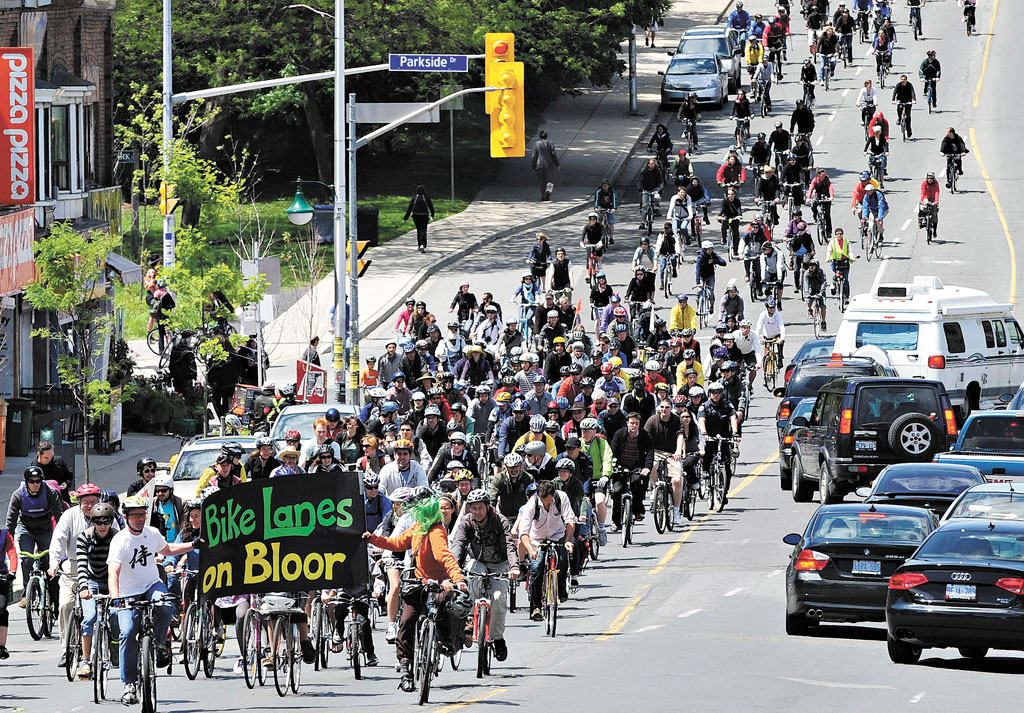
During the recent federal election, a candidate distributed flyers promising that, if elected, her party would make “historic investments in infrastructure. This means building cycling lanes and better public transit.” The transit pledge wasn't unexpected — many politicians talk about that — but her other promise was surprising and welcome. Among the dozens of issues a candidate can mention, this candidate chose bike lanes. Perhaps the world is changing.

This November, the David Suzuki Foundation launched a campaign to have protected bike lanes built in Ontario cities. It’s all part of our effort to help folks spend more time outdoors, reduce traffic congestion, clear the air and cut greenhouse gas emissions.

Our first goal is to get a protected bike lane on the main east-west corridor of Canada’s largest city: Bloor Street and Danforth Avenue. We think it could be a game-changer not just for Toronto, but for municipalities across the country.

Toronto already has lanes on shorter streets, such as Adelaide in the downtown core, and they’re proving very popular. Since bike lanes were installed on Adelaide in 2014, the number of cyclists has nearly tripled, from 550 to 1,575 over an eight-hour period. Jacquelyn Hayward Gulati, the city’s cycling infrastructure manager, says people on bikes now represent nearly half (43 per cent) of traffic on this street. 

Now it's time to take this successful experiment and run it right across the city with a “cycle track” — or protected bicycle lane — on Bloor-Danforth.

Along with our local partner, Cycle Toronto, we are optimistic the project will come to fruition. The new federal government has promised billions of dollars for “green infrastructure,” a category in which bike lanes should easily fit. 

The Bloor route is backed by six local residents’ associations. And city staff are recommending approval of a pilot lane along Bloor, to be built in spring 2016.

As well, the project should garner support from drivers, especially elderly ones. The U.S. advocacy group People for Bikes says protected lanes reduce driving risks. Other experts point out that, by clearly delineating spaces for cyclists and automobiles, the lanes make road use more predictable and safer for everyone.

The Bloor proposal comes in the midst of a growing belief that reliance on private motorized vehicles needs to be sharply curtailed. In Ontario, cars are now “the largest source of transport emissions,” according to the  environmental commissioner. The growing popularity of cycling in Canadian cities shows that, when you give people the opportunity to leave their cars at home, they will.

A Bloor bike lane is a great idea — one that could spark similar projects across Canada. But not everyone at Toronto City Council is embracing it. That’s where you come in. Take a moment to express this to decision makers by filling out the Bloor Loves Bikes pledge, which can be found at www.cycleto.ca.  

If we’re going to address climate change and improve our air, we need to give folks lots of alternatives to the gas-powered automobile. Bikes are among the best.

North Yorkers aim to raise $1 mil for mental health facility in teen’s memory with The Maddie Project

0

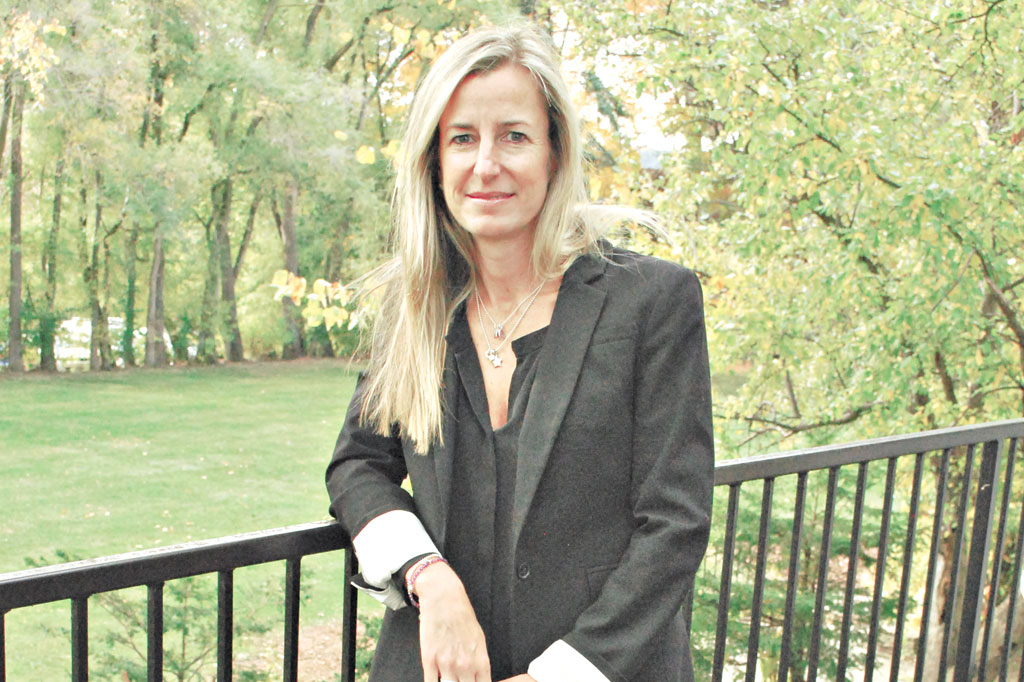
When 14-year-old Madeline (Maddie) Grace German Coulter passed away as a result of depression this past April, her family was faced with two options: they could succumb to their grief and mourn their loss in private or could shine a light on the scourge of mental illness by sharing their experience with others suffering from the same affliction. They chose the latter.

Maddie’s parents, Nicole German and Chris Coulter, spearheaded a community initiative called the Maddie Project to promote awareness and support other local adolescents suffering from depression.

The project has committed to raising $1 million to create a therapeutic healing garden at the Phillips House in North York in honour of Maddie’s memory. The site was unveiled Oct. 26 and sits on the property’s 1.2 acres. The contribution will go toward the $7 million renovation of the North York General Foundation’s new outpatient facility. 

According to Maddie’s mom, the garden could provide opportunities for children with eating disorders to grow their own vegetables and learn about the benefits of nutrition. Maddie spent a significant amount of time at North York General Hospital, and although she received top-notch care, resources were limited. That was something German said her daughter wanted to change.

“Maddie often talked about wanting to give back when she got out of the hospital, whether to help get a gym or provide better facilities for kids in the program. And so this is really about fulfilling her wish,” said German.

Maddie’s brothers, Zac and Sawyer, and other members of the Lawrence Park neighbourhood have also pitched in to raise funds.

The group has already raised $350,000, with other fundraising projects scheduled for late November. Go to www.themaddieproject.ca to donate.

Cedarvale residents paint over 40 garage murals as a deterrent to incessant graffiti

0

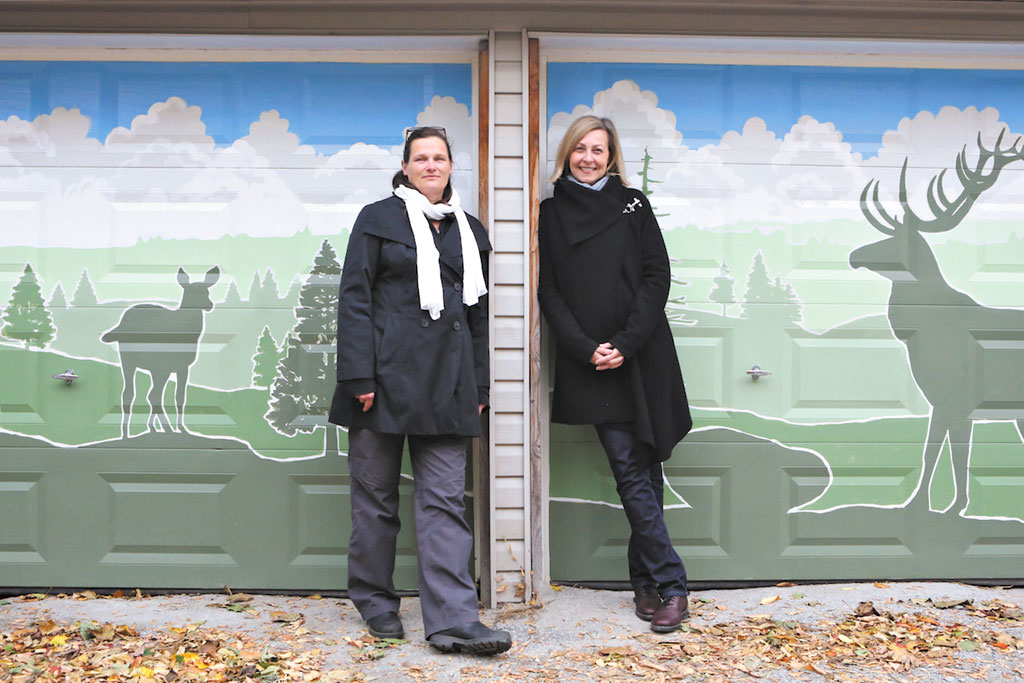
In 2011, Christine Liber and Elly Dowson, residents of Kenwood Avenue near St. Clair Avenue West and Bathurst Street, noticed that the garages in the laneway behind their houses were a hot spot for graffiti and vandalism. So the two, armed with paintbrushes and determination, embarked upon a mission to do something about it.

“We both realized this is useful, viable space, and it was being neglected,” said Liber, an art history major. 

The two chose to speak with officers at Toronto Police Service 13 Division, who told them street art had proven to be an effective deterrent to vandalism. So Dowson (who holds a fine arts degree) and Liber rallied consent from neighbours to paint each garage in the area with a colourful mural.


A “before” shot of one of the tagged garages


They struck up a local partnership with Frank Reilly, of Maple Paints on St. Clair, who donated supplies to their cause.

Over the past four years, the two have managed to successfully paint more than 40 garages in their neighbourhood and still have requests coming in.

News of their efforts even reached Ward 21 councillor Joe Mihevc’s ears, who called the community building project a great example of “urban renewal.” So much so, that he said university professors have even begun to conduct tours down the laneway with hordes of interested students.

Liber and Dowson’s murals are often reminiscent of forested landscapes and Group of Seven paintings, in tribute to their ’hood, often called “the woods,” for its street names: Wychwood, Pinewood and Maplewood avenues.


And an “after” shot with mural in place.


And their work has paid off — not one garage featuring a mural has been vandalized, and the two have created a vibrant community haunt. 

During their many conversations with neighbours, the two wound up forging a connection with area resident Lilie Zendel, who ironically runs the StreetART program for the City of Toronto.

An expert in the field, Zendel said the initiative fostered a sense of community in the area and as a result the laneway “feels safer, more attractive and pedestrian-friendly.”

Actress Jane Spidell fell for The River, hook, line and sinker

0

Although preparing to launch into just its second season, the Coal Mine Theatre is already earning a reputation for its sparse, darkly comic and dramatic productions. This month’s season opening production, The River, should cement the theatre’s status.

The River was written by American playwright Jez Butterworth. It premiered in London, England, in 2012 and most notably ran on Broadway in 2014 in a production starring Hugh Jackman. It’s a dramatic work full of dark humour and insightful commentary on the nature of love and human relationships and, well, nature.

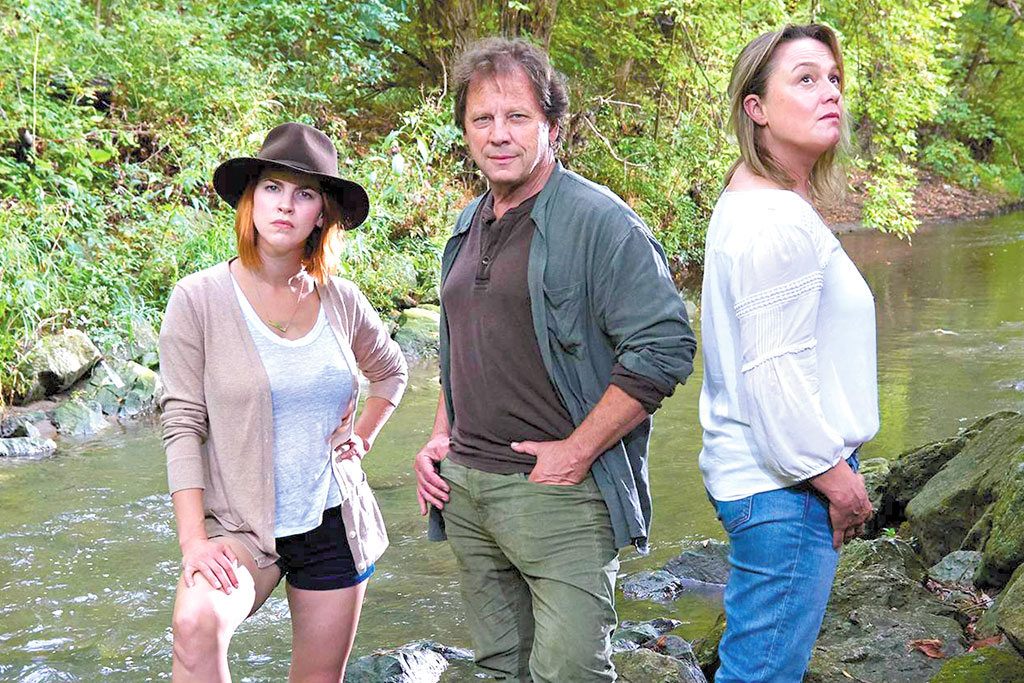
The story centres on three characters: the Man, the Woman, and the Other Woman. The Man invites the Woman to his remote fishing cabin to share his passion for night fishing. The Woman agrees, and they spend time together, talking and sharing experiences. They go outside to fish, and she disappears. The Man searches for her, then decides to wait in his cabin. He hears a knock on his door, which he assumes is her, but instead, it’s the Other Woman.

Dora Award–winning Toronto actress Jane Spidell stars as the Woman, alongside David Ferry as the Man and Dani Kind as the Other Woman. It is directed by Ted Dykstra, who is also billed as the artistic curator for the Coal Mine.

“Sometimes our needs meet, and sometimes they don’t.”

“The play is about our own desires and needs for and from each other,” Spidell explains. “Sometimes our needs meet, and sometimes they don’t.”

And that’s all well and good, but what we really want to know is who would agree to go night fishing on a first date?

“It’s true that’s on his terms, on his turf,” she says. “But on the other hand, he’s also made himself very vulnerable. He’s taken her to his most private place, not knowing what her reaction will be. The stakes are high for both of them in different ways. They both want to enjoy their time, reveal parts of themselves, maybe fall in love.”

The play will be performed in a very intimate space on the Danforth. It’s a daring production and one that requires a lot from the performers. But with the team involved, Spidell immediately bit at the opportunity.

“I think it will feel like performing in your living room for your parents on Christmas. It’ll be that intimate and that immediate,” she says. 

“When I heard about the designer, Steve Lucas; the director Ted Dykstra; producer Diana Bentley; and the other actors, I jumped at the chance to work with them, on such a scary and amazing adventure.” 

The River runs Nov. 1 to 22 at 982 Danforth Ave.

Hollywood actor David Arquette stars in new stage production of Sherlock Holmes

0

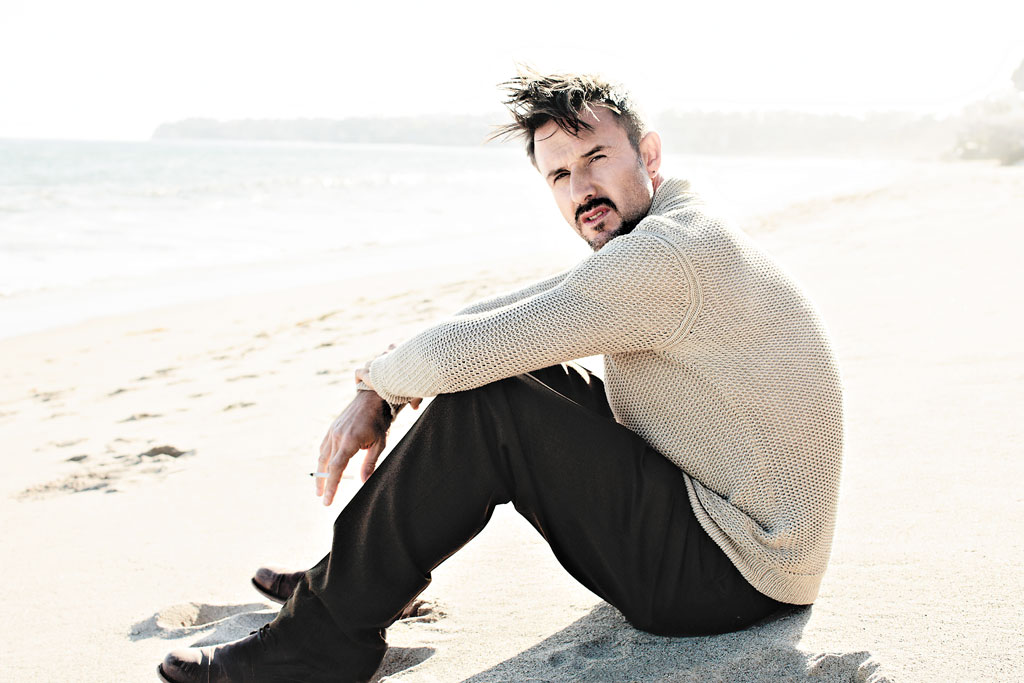
David Arquette might be better known as a TV and film actor from such projects as Scream, but this month he hits a T.O. stage to star as Britain’s most revered sleuth, Sherlock Holmes. 

The production runs from Oct. 27 to Nov. 8 at the Ed Mirvish Theatre, www.mirvish.com.

How are you feeling about portraying such a well-known character onstage?
I’m very nervous! I’m excited, as well, but he’s just such a loved character, I feel a responsibility.… It’s thrilling! I mean, to be able to sort of make it my own. One thing I have been doing is listening to a lot of the books on tape because you get the accent as well, so you get to listen to some real proper English and sort of learn to speak in that accent.

So, you’re putting the accent on?
Yeah, you have to put the accent on! You don’t wanna show up with an American accent playing Sherlock Holmes! It’s an interesting take on it, but it’s not our take.

What did you think when you were asked to play Sherlock? 
Well, they had first approached me to play Watson, and the more I read it, I was, like, I’m more the quirky, kind of crazy Sherlock to be honest.

“You have to put the accent on!”

So you definitely wanted this role.
Yeah, absolutely! I mean, I love Watson. He’s such an incredible role, but I just felt like my kind of idiosyncracy was just matched better with Sherlock.

Sherlock’s character has always had a dry sense of humour, are you planning on putting your own David Arquette spin on things?
Yeah, it certainly feels that way! I mean, the relationship between the two in general, with Watson and Sherlock, is always sort of tense and funny. It’s a real interesting dynamic. Their relationship is definitely comedic. There is a lot of ripping on each other. There is a lot of humour, though, and there’s a lot of humour in him just being a unique person.

We’re used to seeing you on the big screen. How does performing theatre differ for you from film when it’s live and there is no do-over?
Well, those will be some of the funnier moments. That’s when you really need to be comfortable in your acting and you have to be able to think on your toes. Hopefully everyone comes with a good attitude, maybe goes to dinner first and has a couple drinks!

While you’re here in T.O. is there anything in particular you will want to see or do in Toronto?
“There’s always really wonderful restaurants. Every time I go there, I’m amazed by the culture and the different areas you can go to and get traditional food. So I always like seeking those places out. Whenever I travel, wherever I travel, I like to find some of the oldest restaurants in the city. I just like how people continue tradition that way.

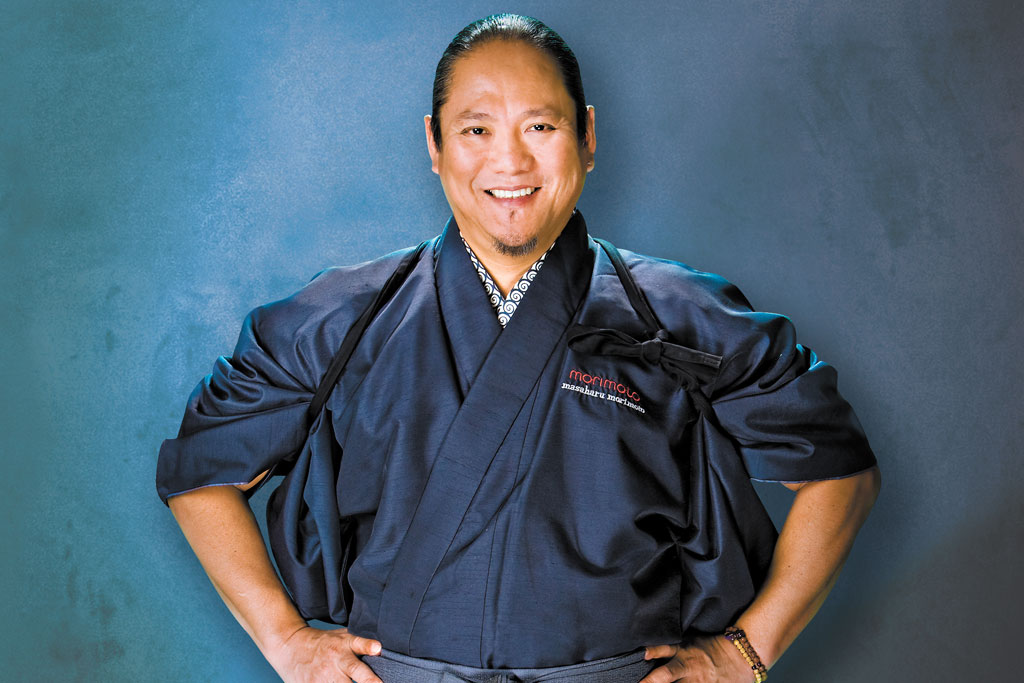
The original Iron Chef Masaharu Morimoto

0

Before Gordon Ramsay and Guy Fieri dominated the Food Network, food television was about the how-to of preparing a meal. Boeuf bourguignon and chocolate soufflé were demystified in step-by-step guides narrated by likes of Martha Stewart and Lidia Bastianich. Slowly, food shows became less about culinary education and more about kitchen drama.

In no show was this switch better demonstrated than in Iron Chef America. After the original Japanese Iron Chef series finished its seven-season run in ’99, the Food Network aired a handful of specials modelled on the culinary battle royale. Although the format was pretty much the same — two chefs are given one hour to whip up five dishes that showcase one surprise ingredient — only one chef from the Japanese Iron Chef was brought over as a regular member of the American pantheon of iron chefs: Masaharu Morimoto.

Back in 2000, foodies frequenting Chowhound were not impressed by these early Iron Chef specials. A commenter compares the first  showdown that pitted Bobby Flay against Morimoto to a “WWF meets Julia Child” mash-up disaster.

The 15-year-old special is more confrontational and less polished than the show’s Japanese precursor. Nowhere is this clearer than in the competition’s final minutes. As the clock ticks down its final seconds, Flay jumps onto his cutting board, raising his fists in what would prove to be a premature celebration of victory.

Flay’s braggadocio repulses Morimoto, who snaps into a mic: “He is not a chef.”

When pressed by the on-floor reporter, Morimoto explains his assertion: “Cutting boards and knives are sacred to us [chefs].” As Flay sullied his cooking tools by standing on them with his dirty shoes, he disrespected the culinary craft and his opponent.

Out of the dozens of Iron Chef showdowns in which Morimoto has partaken — from battle asparagus to battle sablefish — this seems to be a rare, raw moment for the Hiroshima-born chef. When this Bobby Flay encounter took place, Morimoto was still new to TV. Morimoto is the anti–Guy Fieri. He is a chef who cooks while in front of a camera, rather than a television personality who sometimes cooks. Off screen, Morimoto is more charming, looser than his steely TV persona would lead you to believe. The 60-year-old even wears prescriptionless specs to differentiate himself from his small-screen self.

“I’ve always had good eyes,” explains Morimoto, who readily cops to “wearing glasses as a fashion.”

As a child, he had no interest in becoming a TV star. “I had two dreams,” says Morimoto, who aspired to be either a professional baseball player or a chef. His young love of food was born from scarcity.

“I grew up without enough food because of a food shortage,” he says, referring to post-war Japan. Later, when the economy began to recover, Morimoto would look forward to his family’s monthly sushi dinners.

“I discovered the enjoyment of eating in a true sense. Such a thought as that food gives people pleasure may be the very base of my culinary philosophy,” says Morimoto.

Shortly after being drafted to Japan’s major league, Morimoto’s budding catcher career was cut short by a shoulder injury. At 18, he decided to dedicate himself to studying sushi and kaiseki. For the next few years, the cook lived with his teacher. The demanding apprenticeship had Morimoto cooking, cleaning and serving from dawn until dinnertime (he even cooked the family meal every night). Despite his unwavering dedication, the teen’s “main event of the day” was sneaking out of the house in the middle of the night to cavort with his pals.“Oh, I was young,” he says.

Since opening his own restaurant at 24, and then selling it to travel the U.S., Morimoto has had little down time. He headed up the Sony Club and spent seven years as Nobu’s exec chef in New York. Then in 2001, chef opened his own sushi mecca in Philly. Here, he flexed his creative muscles, blending traditional Japanese techniques with the global flavours that had come to shape the American palate.

“I never thought about fusing Japanese and American food. I would use whatever was available here and cook food utilizing my Japanese cooking techniques,” says Morimoto. “The results may look like fusion of Japanese and American food, but I was never conscious of it.”

Although chef might not explicitly use the F-word to describe his process, his menus fuse flavours and techniques from across the globe: Italian (daikon fettuccine, blowfish carpaccio, tuna pizza); Indian (lobster masala, duck masala); and Singaporean (black sesame king crab).

This spring, he announced he’d be teaming up with restaurateurs-about-town Hanif Harji and Charles Khabouth to open a restaurant in T.O.’s Theatre Park building.

“At every Morimoto restaurant, I create some new dishes that reflect the local ingredients and cuisine,” says Morimoto, but he refuses to divulge what, exactly, he has planned for his two-storey King West restaurant. We’re hoping to see some daring Canadian-Japanese dishes: perhaps some bison sashimi or an elevated poutine that does more to the Québécois staple than simply top it with foie gras.

“Opening a restaurant in a new city is not declaring war on an enemy country,” says Morimoto, who does plan on serving some of his signature dishes — like sushi made with Japan-imported fresh fish — at his new T.O. restaurant. 

“I always think about how to make my guests happy with my food. That’s my goal: to learn what Torontonians like.”

Push to protect landmark De La Salle College site

0

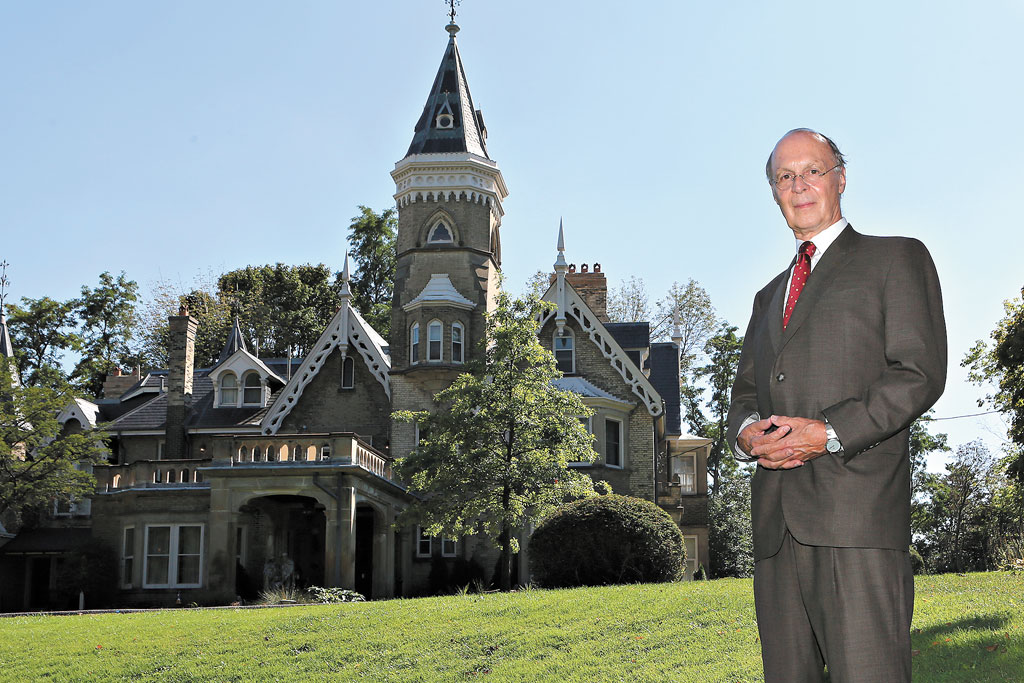
Local heritage advocates celebrated a small victory last month, after a report by City of Toronto planners was adopted at Toronto city council to ensure more comprehensive heritage protection for the De La Salle College property­ — a prominent landmark on Avenue Road for over 150 years.

Councillor Josh Matlow initiated the heritage review two years ago, when he heard of the Catholic private school’s plan to sell a portion of the property to the developer Treasure Hill Homes. 

The developer submitted a proposal for 28 townhouses for the site in March, which would require the demolition of the Fieldhouse (1924) and relocation of the wrought iron gates (circa 1860). They have now taken it to the Ontario Municipal Board (OMB), but a date has not been scheduled. 

The report was initiated out of concern for features on the property not designated under the Ontario Heritage Act, including the view of the escarpment (a.k.a Lake Iroquois ridge), which Matlow said is also historically significant.

The Brothers of the Christian Schools, which owns the property, requested that city council defer ruling on the report at their Sept. 30 meeting.

A letter to TEYCC from their lawyer stated that the review was conducted despite “good will and good faith consultation efforts” and is being rushed “as a substitute to good heritage policy decisions.”

But Coun. Matlow was pleased to see city council approve the report. 

Michael Vaughan, a local resident who sat as chairman of the Conservation Review Board of Ontario for six years, called the developer’s decision to go to the OMB without considering any alterations “aggressive.” 

Now that the report has been adopted by city council, Coun. Matlow said the OMB will have to decide if “they will respect the Ontario Heritage Act…or blindly ignore it, in favour of a developer.”

Treasure Hill Homes did not respond to request for comment by press time.

Shop Crawl: The shops of Rosedale and Summerhill are right on trend for fall fashion

0

We find great items for fall at three on-trend shops on Yonge St. 

Whimsical and witty goods
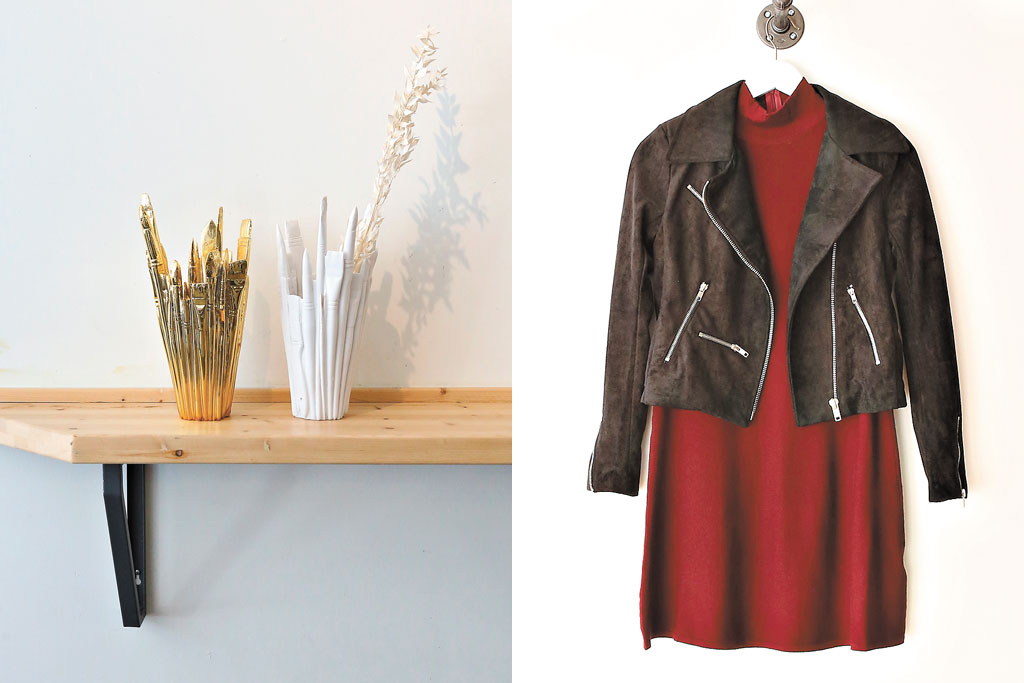
Room 2046’s owner, Kumala Nio, admittedly has a weakness for whimsy and functional products that are infused with humour. The shop is a hybrid of sorts, replete with a café full of goodies. Other talented designers dot the shop’s tables, such as exquisite jewellery by Arielle de Pinto and Shawna Tabacznik. You can also find a collection of witty greeting cards by Smitten Kitten and Flakes Paperie, for those with a snide sense of humour.
Room 2046, 1252 Yonge St.

Where luxury meets affordability
Rosedale’s newest shop, Thursdays, is appropriately named, considering the shop receives new merchandise on that day from Los Angeles and New York where they do their buying. “We’re doing something we think consumers want, which is new merchandise all the time,” says owner Rita Benzacar. The shop houses brands such as Olivaceous, Just Black, Twig and Lumiere at accessible prices. Dresses range from $90 to $175 and tops from $40 to $120.
Thursdays, 1130 Yonge St.

Purveyors of fashion and fragrance
Byron and Dexter Peart, the design duo behind Want Les Essentiels de la Vie, are a favourite in Rosedale. The shop features brands such as Acne, Filippa K, Maison Kitsuné, Steven Alan, TomorrowLand, Nudie Jeans and Michel Vivien. It also includes a feature wall that offers a large selection of luxury travel accessories. They’re also one of only two Canadian retailers chosen to carry cult-favourite Byredo fragrances.
WANT Apothecary, 1070 Yonge St.

Five picks at this month’s International Festival of Authors — from brains to modern-day bards

0

Every year as the TIFF dust settles, a different Toronto arts clique unfurls the red carpet to welcome its own VIP crowd. The International Festival of Authors (Oct. 22 to Nov. 1) is the week of the literati, when celebrated wordsmiths the world over descend on Harbourfront for readings, book signings, interviews and lots of schmoozing. Want to schmooze with some bookworms? We’ve picked five hot tickets.

Ken Dryden & Steven Pinker
This opening night, PEN Canada benefit event on Oct. 22 features a pair of big-name, big-brained Canadians discussing — what else? — the brain. Psychologist Steven Pinker and Hockey-Hall-of-Famer/politician Ken Dryden will bring their distinct perspectives to bear on questions about our grey matter. Among other topics, like human violence and aggression, they’ll weigh in on the writer’s narrative instinct, having both published many acclaimed books including Dryden’s classic behind-the-scenes hockey tome, The Game, and Pinker’s bestselling discourse on evolutionary psychology, How the Mind Works.

Super Truths Roundtable
Brent Bambury will moderate this Oct. 24 discussion between three authors who work in different mediums but share a common sensibility: the surreal. Canadian Tim Conley writes short stories brimming with an absurd humour that the Globe and Mail (reluctantly) referred to as “Kafkaesque.” Toronto-based illustrator Jillian Tamaki, who shot to fame with the graphic novel Skim, recently released SuperMutant Magic Academy, which documents the daily lives of teens who happen to be mutants and witches. Brit Sarah Winman rounds out the trio of authors with her novel, A Year of Marvellous Ways, which flits back and forth between fantasy and reality.

At Language’s Edge: Poetry in Translation
This event, on Oct. 25, unites the two themes of this year’s IFOA: the literature of Catalonia and poetry from across the globe. In a roundtable discussion, four celebrated poets — two Canadians and two Catalans — will share their experiences of the art of translation and how it has affected their work. Both Anna Aguilar-Amat and Martí Sales are giants of the Barcelona writing world, with accolades too numerous to list, and Montrealers Oana Avasilichioaei and Erin Mouré are prize-winning mainstays of our national poetry scene.    

25th Anniversary of Writers & Company
It’s been 25 years since Writers & Company launched on the CBC with Eleanor Wachtel at its helm, and the weekly broadcast is still going strong. Since the show is more or less a year-round IFOA, it is fitting that Wachtel will celebrate the milestone onstage at this year’s festival, on Oct. 25, where she’ll showcase her interview chops in conversation with Aleksandar Hemon, Caryl Phillips, Zadie Smith and more.

‘Membering: A Celebration of Austin Clarke
Close out your festival experience with some nostalgia. Austin Clarke has just entered his fifth decade as a published writer with the release of his memoir, ‘Membering. In it, he documents his childhood in Barbados and his early adulthood in Toronto and later Harlem, where he meets and interviews legendary African-American writers and thinkers like Malcolm X and Amiri Baraka. A cluster of writers, including George Elliott Clarke, Lawrence Hill and of course, Austin Clarke himself, “Canada’s first multicultural writer,” will be on hand to read from the memoir and pay tribute.